I've seen 431+ Pitch Decks since 2022 - Here's What I learned
Hey, my name is Ben and I've worked with many, many startups. I've seen many decks. I spoke with VCs and in the last three years, there's really 11 key learnings that I made about PetchTech and in this video, I'll share it with you. And it's everything about how to make a PetchTech and also how to think about traction.
So without further ado, let's get started. The first point I want to speak about is attention is limited. And so everybody knows like most people know that VC just spent two minutes on your page deck but then the problem is that they don't take that insight to actually build in consequences if you know someone's gonna spend only two minutes on your page deck you should make your paycheck in a certain way and that certain way is on point two is headline drive understanding.
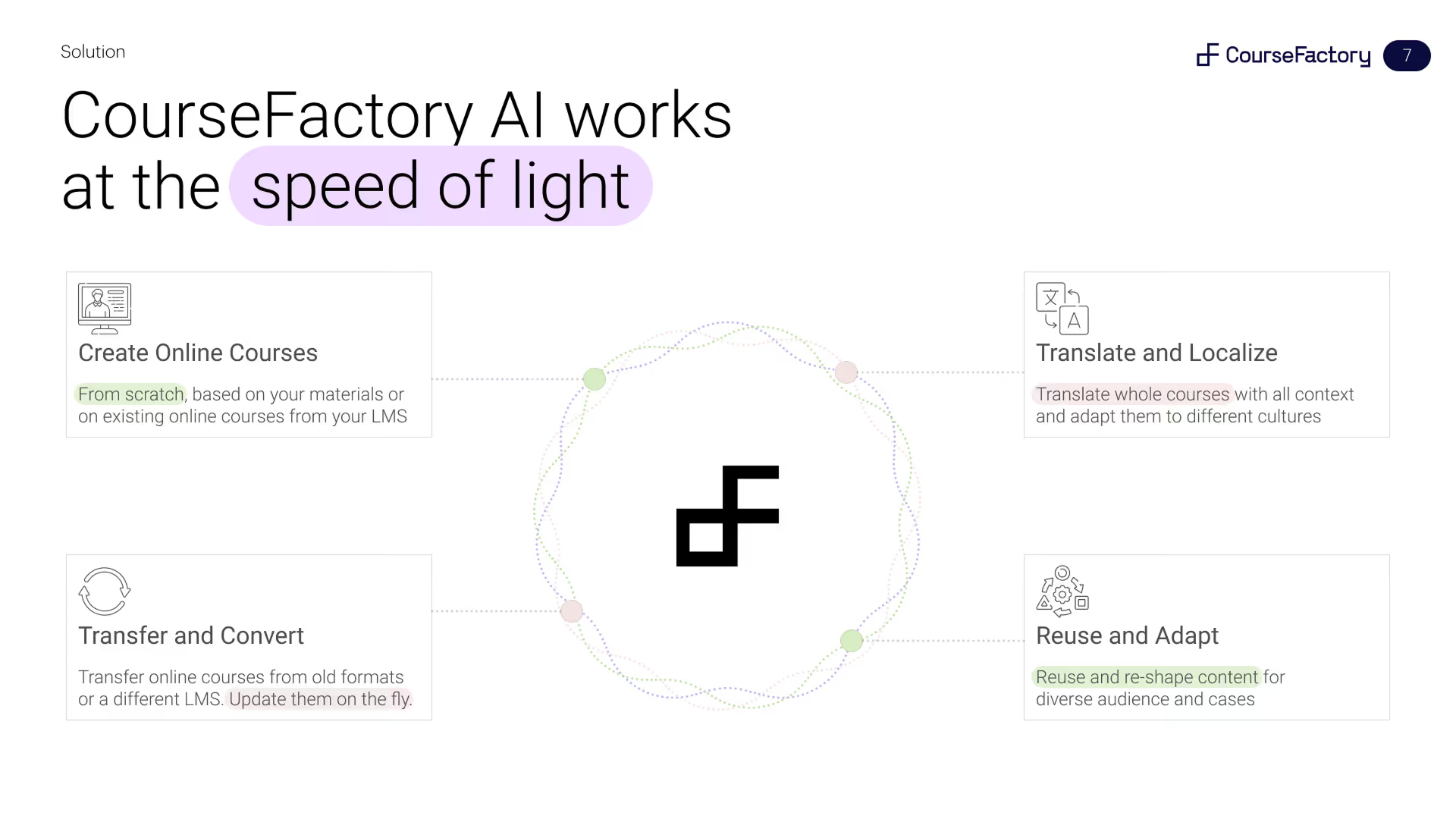
If someone can only spend two minutes on your pitch deck, then they'll only be able to read a certain amount of words, right? So you need to concentrate those words in the headline. And so this is what your pitch deck should look like, is two headlines that summarize the content of the slide, right? You should be able to read the headline and understand what's below right and so in those headlines you should keep it simple it's okay if your pitch deck doesn't cover the whole thing right the goal of the pitch deck is not a
presentation on exactly exactly what you do the goal of the project is to motivate someone to invest in your company. And the first thing is have a first goal with them. So exactly what you do with all the finance, we don't care. And when you write the headlines, that's the point number four, is you should speak and write like Trump.
What do I mean by that? I don't know if you ever had the opportunity chance to listen to a speech of Trump. You like it or not, right? But the guy used simple words. It's impossible not to understand what he says, right? It's basic English, right? And so you'll be like, yeah, but am I not going to look dumb if I put simple words and I know dumbify everything? And answer is no, because again, if you put more simple complex word with complex structure sentences, like I just did, in two minutes, your brain needs to process more, right? I'm like, oh, trying to understand,
and you lose the reader because he understands less. Even someone that made, you know, if you think about analysis, usually they went to university, college, whatever, right? They have great education. But even then, if you only have a few minutes to evaluate something, you want to communicate as fast as possible the information.
Then design does matter. I'm sure that, not sure, but I guess you'll be familiar with the halo effect, right? The halo effect is a bias that you associate a positive trait to people you find nice, nice looking. So for example, me, if there's a woman I find beautiful, I'll suddenly start thinking that she's bright, smart, intelligent, right? And it's not just me thinking that, it's a studied bias know me thinking that it's a studied bias right and it works the same for pitch deck and what I've observed this
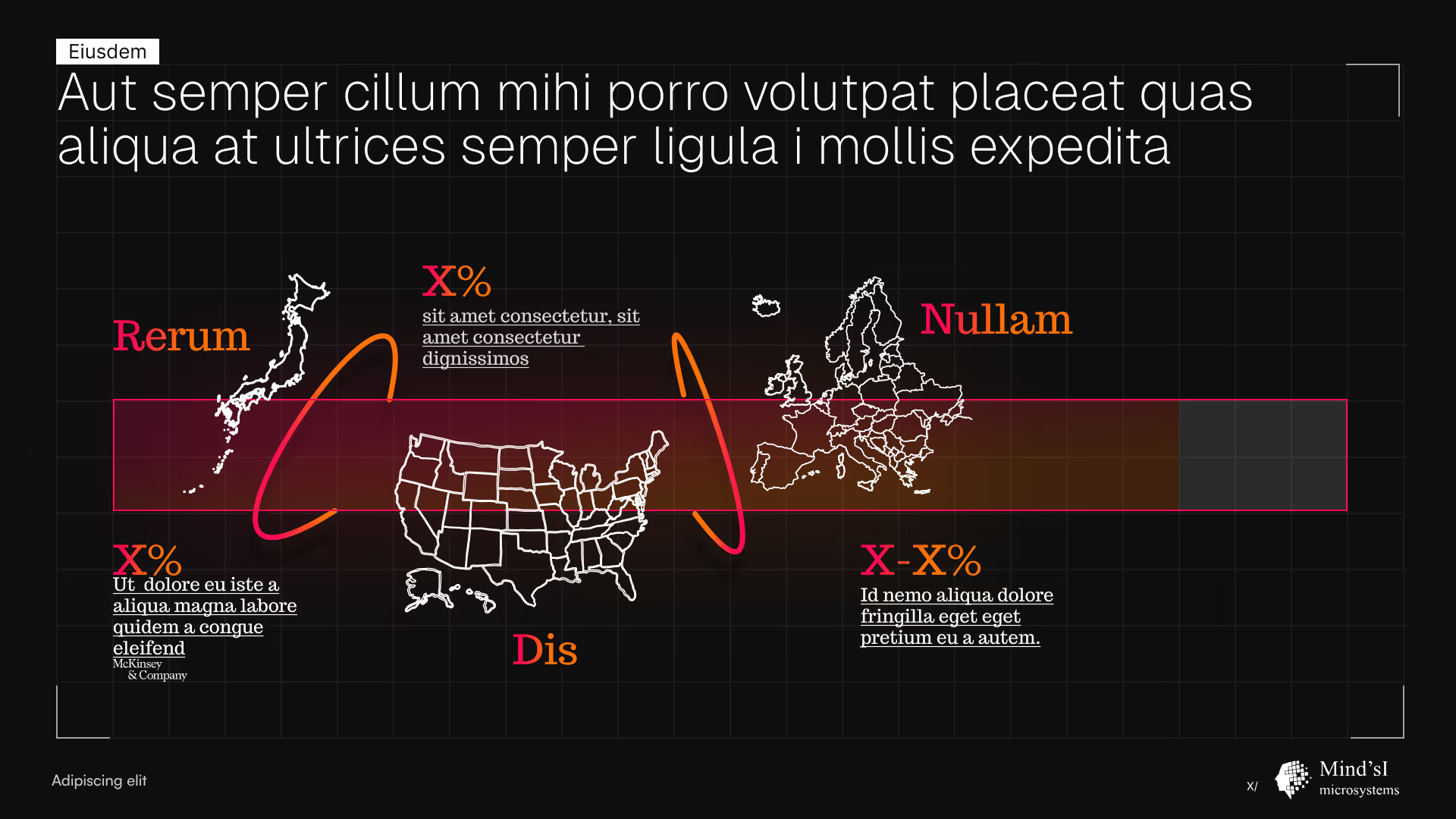
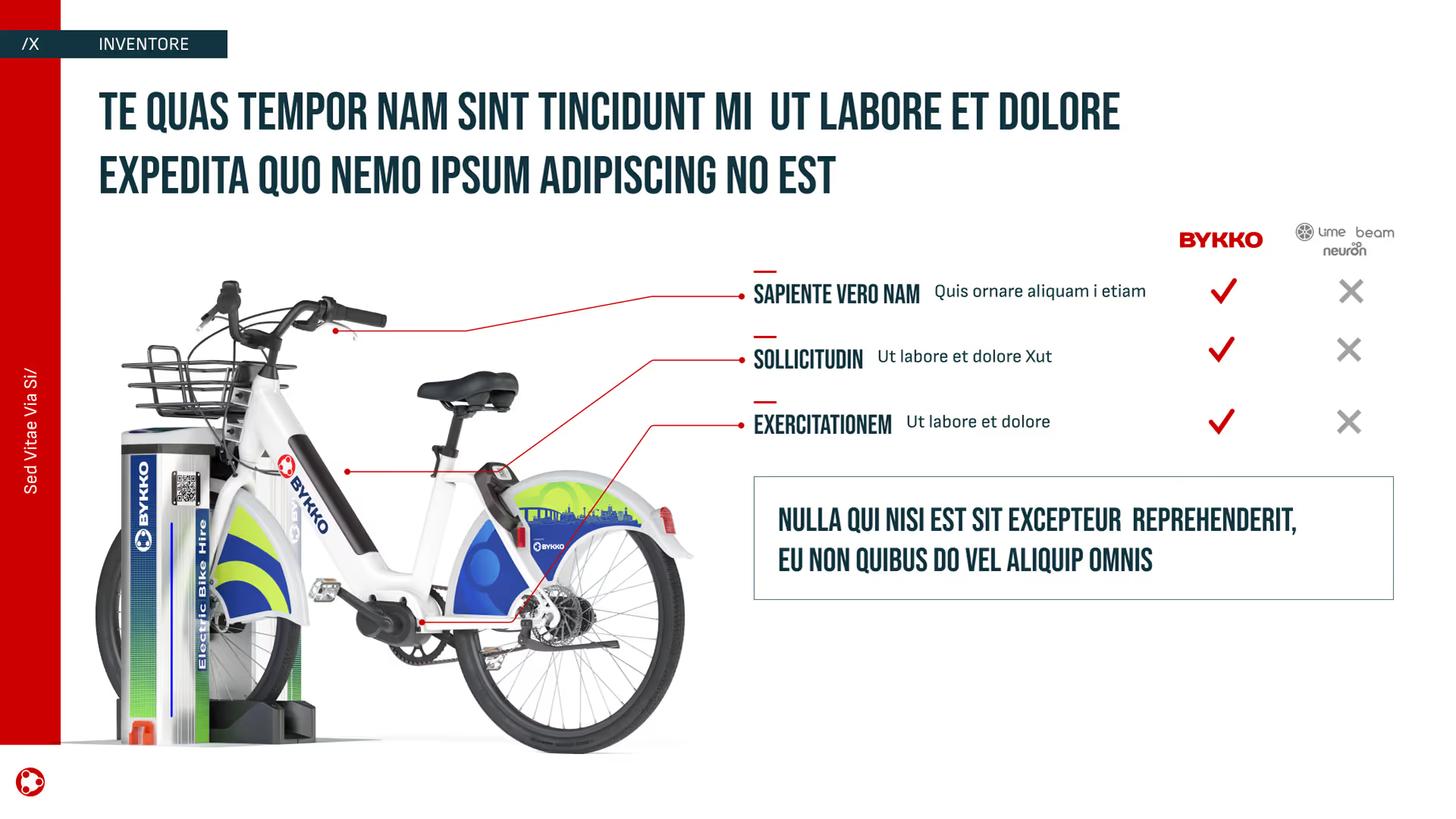
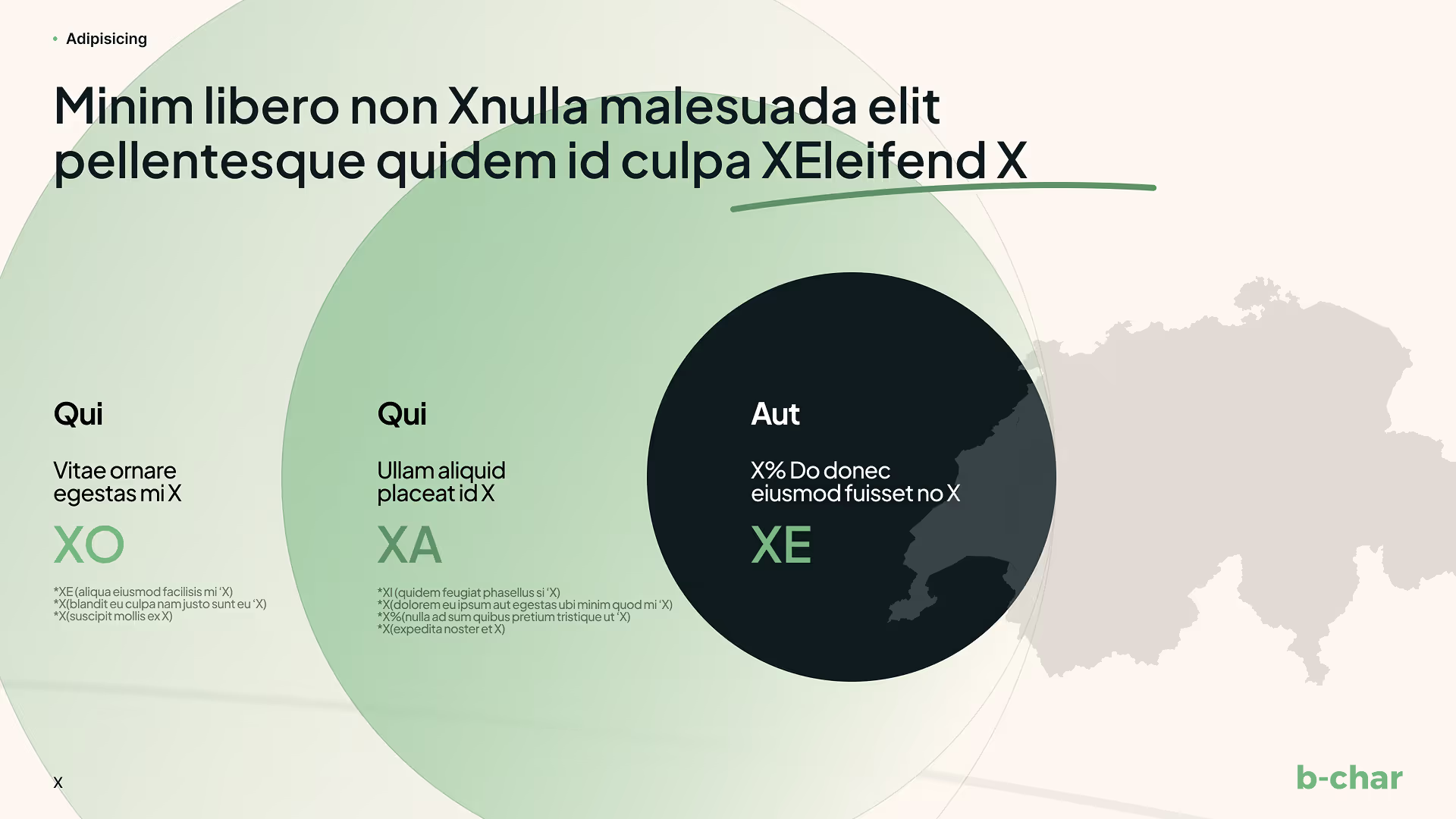
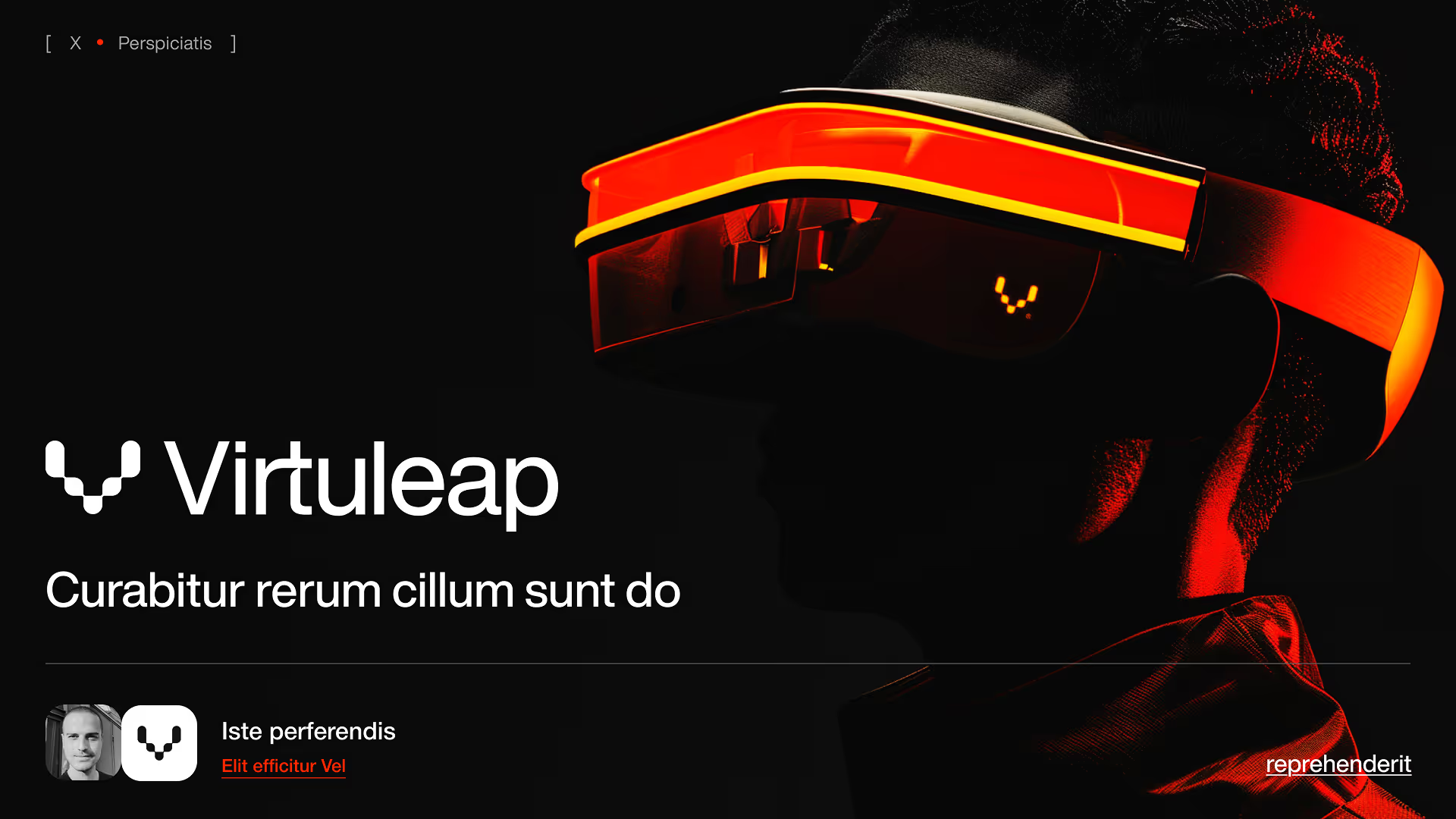
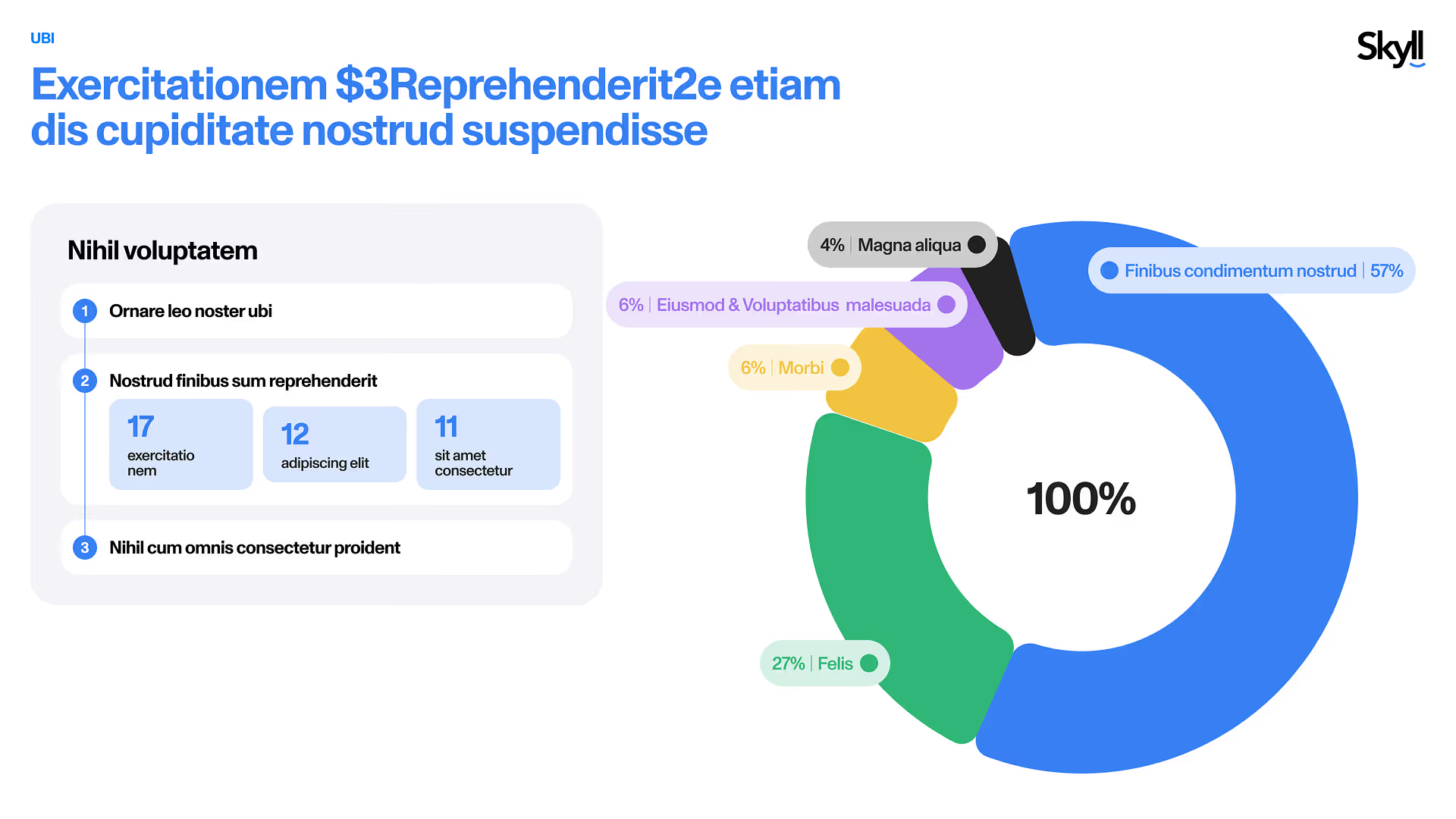
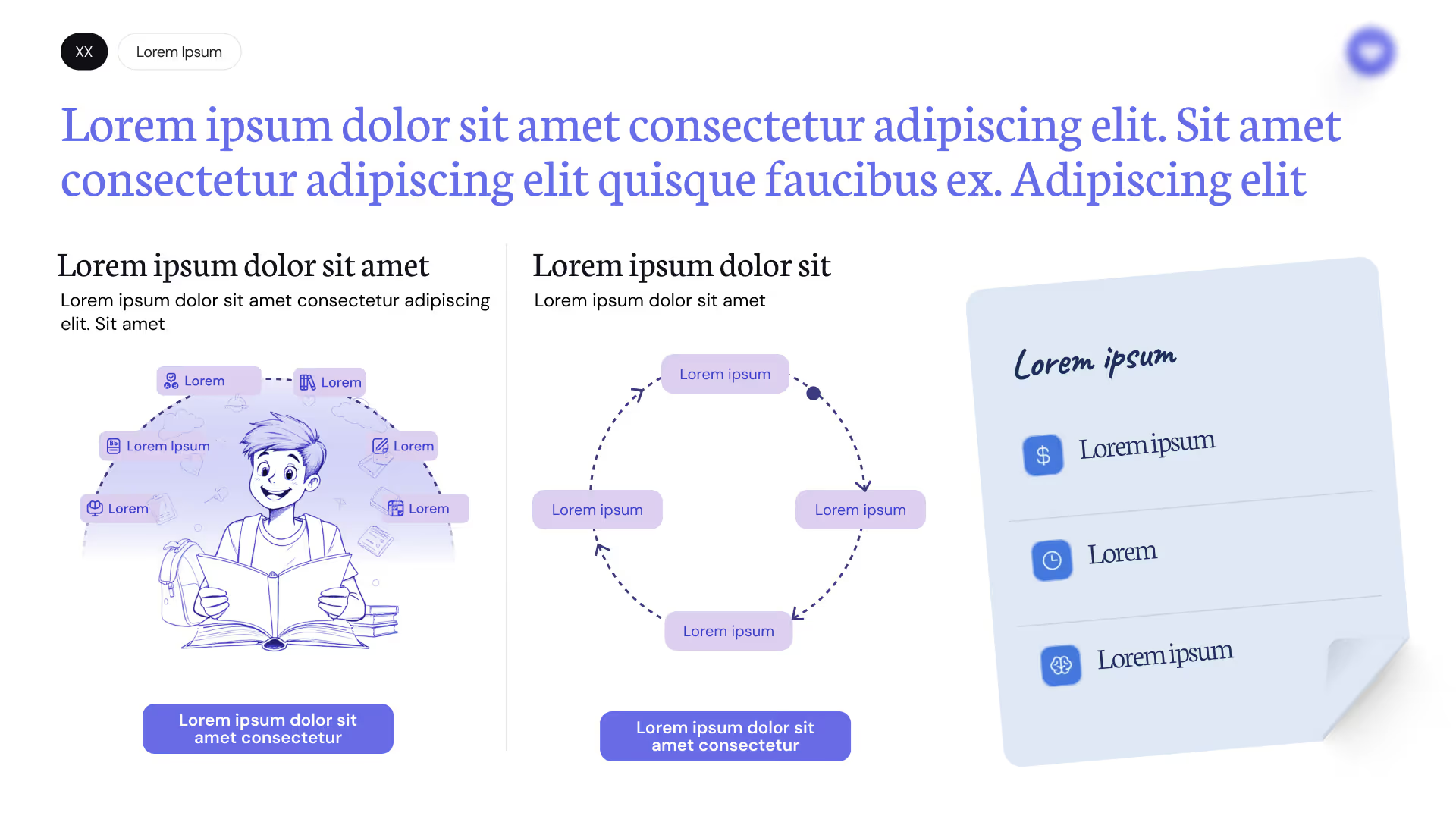
little meme is that when we when we come when someone come to us for the pitch deck design it's always either someone very early or you know founder repeat founder sayers B sayers C that need their pitch deck to look nice because they understand the impact of it. And just as an example here, you look at those, right? Suddenly, how do you feel about it? Which one of those seems like someone is professional and someone is not? Someone has potential or not, right? It's just a feeling, right? It's just you look at it you're like oh wow
like that's that's something right and and is it going to be deck like that can raise uh yeah they can right and actually this one did raise and this one also raised and this one they're currently raising but my point is that when you're making a pitch deck you need to when you're fundraising actually you need to put every chance on your side i don't know if that works in english but it definitely works in french that's my last time but one line is like you need to do everything that you can and doing the design is part of what
you can then don't be boring tell stories and you'll be like how do i tell stories well it's it's really really simple let me make an example right you start with the introduction and here you start with a short short you know short explanation or your vision right say hey we do this thing and and so you start here right we do we do this thing and there's a huge market for this thing, right? But something is preventing us to access this opportunity.
You go down like, oh no, big money, but we cannot. You explain the codes like we cannot access that market because of this. then boom, we are here, the savior, the hero, we are solving that problem. And then we present the proof, which is the traction. That's how you make a subject interesting. If you look at successful projects, they all do it.
And you look at successful movie, they all do it. Now, something really related to that point is that one minute pitch, in fact, it's not where you are, one minute pitch in fact it's not where you are one minute pitch is possible right and no matter the complexity of your startup let's imagine that you are um a company that creates that's one of our clients that create a complex battery technology with you know iodes and you know whatever chemistry, right? It's like, oh, how do I explain that? It's so technical, I cannot explain it.
Let me explain it. In Europe, we are a battery company. Boom. We are a battery company. You simplify it. We don't care. We enable batteries. The market. Did you know that in Europe, by 2020 2020 30 a petrol car won't be able to be sold anymore there's a massive need for electric car boom the market oh it's important i i want to care like and all of those cars they need batteries but today batteries have short range and suck.
Boom. And because they're, and this is when you're getting the problem, because something in their composition is broken. We fix this, and we actually already have LOEs. We've BMW, Volkswagen, and voila. Boom. That's your one-in-a-one pitch, right? You start with, and this is where the key problem is, you start with why people should care about your batteries and they care because it's a huge fucking market. Now, next point. Use the black mirror effect.
What is the black mirror effect? This is one of the biggest fuck-ups that I see, right? Coming back to what I was saying here, you need to present your problem. And when you present your problem, you need to explain simply what is causing the problem, right? And the impact is too slow, right? The impact is too slow and it's costly because, you know, this chemistry shit is not working, right? And so, or you can do the other way around. This chemistry shit is not working.
And so, or you can do it the other way around. This chemistry shit is not working, therefore it's slow and expensive. And then it's super important that if this is your problem, right? You need to link our battery, our shitty because of the X. And then here you need to say, we fixed X and make it not shitty anymore.
Therefore, we make it fast and cheap, right? And you always need to do that. You need to be super clear. Like you need to state the problem. You need to be super clear that your solution specifically addresses every component of the problem so that you can unlock the benefit. Now, next. Traction is mandatory.
You always need traction, no matter what stage you are. The only thing that changes is what traction means. This is a table from the Founder Institute that I found very interesting. They have a program. I don't have a specific opinion on their program, but they collect a lot of data from many different startups.
And here, what they say is that if the traction that you need at seed, If the traction that you need at seed, right? At seed here to go from series A is from 25K to 200K MR. My point is like 1 million in MR, but that's usually what I see, right? If you have that traction in seed, then you can go to the next stage if you are in seed right if you are in pre-seed and you want to go to seed then you need to have from 5k to 25k mr mr is not the in here this is just for sense i'm not going to cover the other one but you can just have a look right
this is standard right this is the standard and it links to my next point which is there's no anomaly in fundraising because i'm sure you're hating you're reading those headlines right it's like amir amirta thinking machine lab closed 2 billion on 10 billion valuation with no the rest of the headline here is with no product.
The thing is you never know what's behind. I just had a look at the deck the other day and the deck was relatively shitty and then I learned that the company raised. And what do you know? The founder have exit. The founder have done this. They have a network. And so what you need to understand is that in a hundred percent 99.
9999 of the case crazy fundraising stories happen because the founder network or background so if you have that leverage it if you don't get the revenue and to finish with again there's no anomaly in fundraising. Remove it from your brain. It doesn't happen. Do the hard work. That's it. If you want to learn more about how to make a good pitch deck, I'll link just a video here.
Because now that you have this, this is what you need. How do you actually build a pitch deck? That's it. See you next time.
You might also like: