How I raised $17 million for an Al startup in January 2026
My name is Ben and I have started making pitch decks and recently I helped a startup raise 17 million for the series A using this exact framework. Now I cannot share the deck because you know it's very confidential, it's not on any of our clients, but I find those slides here to show you an example of what to do and what not to do.
So what I'll do in this video, I present you each of the slides that you need in your pitch deck so that you can raise capital. Without further introduction, let's get started. The most important thing, there's going to be a lot of most important things. Every slide is super important. And what you need to keep in mind is that you'll see that some of those companies that I've raised, like this company raised $4.3 million, here $4.3 also.
I fucked it up with this one. This is correct and this is incorrect. But this one we raised $43 million. You, and this is incorrect, right? But this one will raise 43 million. You'll see that sometimes even startups that have raised a lot have a shitty pitch deck, right? Or not shitty. And what I'm trying to say here is like a part of it is shitty.
So as your job as a founder is to get something not so bad, right? And it's easy to get something not so bad if you follow the framework that I'm going to present you. So the introduction, super slide and the idea here is to explain what you do so that when i look at the first one i'm like yeah this is it i know what i'm getting into right and so a bad example of this is this eliminating global waste what are we speaking about are we speaking about trash are we speaking is it is it this could be a
sustainability platform like no it's an e-commerce platform how could you know you could not know right so you start looking at the deck and you're confused which is not what we want to do right another bad example is the bank you can build on like what the fuck am I seeing here like what does that even mean right or even worse the two chairs like what about what does it mean right or here nothing right you have the platform but you get into it and you don't know exactly what we're gonna speak about bad job now what is a good example look like a little bit more
light a good example look like this although it's a bit long, the only tool that brings together your finance, accounting, and business accounts. Boom, you arrive, you know what you're speaking about. There's no doubt, right? This is a little long for my liking. And a solution to make this a bit more consumable would have been to highlight those and that kind of break the pattern and you can itemize the thing, which make it easier to read. So that's a great example. been to highlight those.
And that kind of break the pattern, and you can itemize the thing, which make it easier to read. So that's a great example. And we look at another one. The most loved CMS for developer and marketer across all industry. Fucking clear, right? And so this is exactly what we want to go for. And here, this is interesting, because somehow they did it in two slides.
So here, there's the two chairs, and then they have this. And here, they is interesting because somehow they did it in two slides. So here it is like the two chairs and then they have this. But in here they had their mission, which was a world where we all have access to exceptional mental health, mental health care.
They could just take, you know, giving access to exceptional health care everywhere, right? And mix those two slides together and not have two. Anyway, let's move on. So now, the lesson here is something short that describes what you do that is not so abstract, like what we have here, but if possible, something quite condensed that I could directly understand, and something I have not mentioned, but which this one is also doing great, is give an idea of what you do.
I look at this, I'm like, yeah, that's a SAS. I look here, like, oh, that's a SAS. I look at look at this i'm like yeah that's a sass right i look and here like oh that's a sass i look at this and i'm like is that a sass what they exactly do and fucking clear so that's not what you want to do anyway let's move on to the context now the context slide you you probably never heard about it because nobody really speak about it in those terms but after making countless decks this is the word that I defined that I that I decided to
use for that is I just learned about what you were doing in the intro boom why should I care about it right so here if we take the example making real estate investment and available for anyone anywhere like European real estate is on the rise spain shows some of the biggest growth among the region it's like oh okay like i should care about real estate because it's growing a lot right here for a betting platform you know the betting market will grow by 600 by 2030 how uh however the real potential is yet to be unlocked it's like oh okay so here i don't have
the other type but the bottom the bottom line is like hey why should i care right but here we present it in a good light like we open the door and we're like you know xyz industry is a thriving sector expanding you know x percent annually like give me a sense of why should i care about what you do right why it's big right what it has some startup potential boom that's the context.
Giving people a reason to give a shit about what you do. Now, in here we build a narrative. This is what we do and we rise. We go high and then boom, a problem occurs. So here we have the macro problem and again this is probably something you haven't heard of but this is critical it is critical to give an idea of at the macro level what is um the issue right so for example here company waste one trillion trillion due to poor planning so this is kind of good in a sense that it's kind of good because it's giving me a sense of, you know, how big it is, how, you know, how big is that problem, you know, but the problem is that here,
we still don't know what's poor planning. This is the same company that have, you know, poor waste. So here, still a mystery, right? But here, for example, we have healthcare costs, you know, 3.5% of the US GDP. Like, we give a negative sense, you know, this is kind of the same as the context, but here we dive into a problem and we give a size of a problem, like, hey, look how big is the problem, but we don't explain why, right? And the reason, in some time, so for example, here, you mix it, right? Women's health is huge, but fragmented.
And this is also possible, right? And what I'm trying to say here is that it's a great asterisk to put here. It's like there's no fixed rule about what you can and what you cannot do with a pet tech. It depends, right? But the important thing is that after you introduce the context, you need to speak about how big is the problem that you're trying to solve.
Here's a good example. As I mentioned, 1 trillion, 12 point, also naming, and this is a very good example, naming the amount of ICP. That's 12 million people operating software. So, micro problem, you introduce the problem by speaking about the size of the problem. Then we go to the micro problem.
And the micro problem is what most people understand is why do we have this? What's the underlying issue for this um and i think here a great example of here um a great example of this so as a macro problem they had you know we are in the mental health crisis and so here you know like hey the design here terrible that's not a topic but they explain we have a big problem right and it even had this slide before. But anyway, big problem.
And then they explain, you know, why this is happening. Because it does not work for everyone, right? It doesn't go fast enough. It has unwanted side effects, right? So we have the size of the problem. And then we explain why the problem happened. And this is super key this is super this is super important uh so for example here investing in here this is where you dive in the problem right so here investing in real estate require knowledge and the complexity discourage potential users uh potential buyers right you explain the problem right That's the goal of the slide. Here, you should look at the headline.
You explain why it is happening and what's the impact on your ICP. And you can have it here. Investing in real estate requires extensive knowledge and the complexity discourages potential buyers. So the buyers actually don't do it. Here, same thing. Discourage potential bettors. It's old and bad. Discourage potential users.
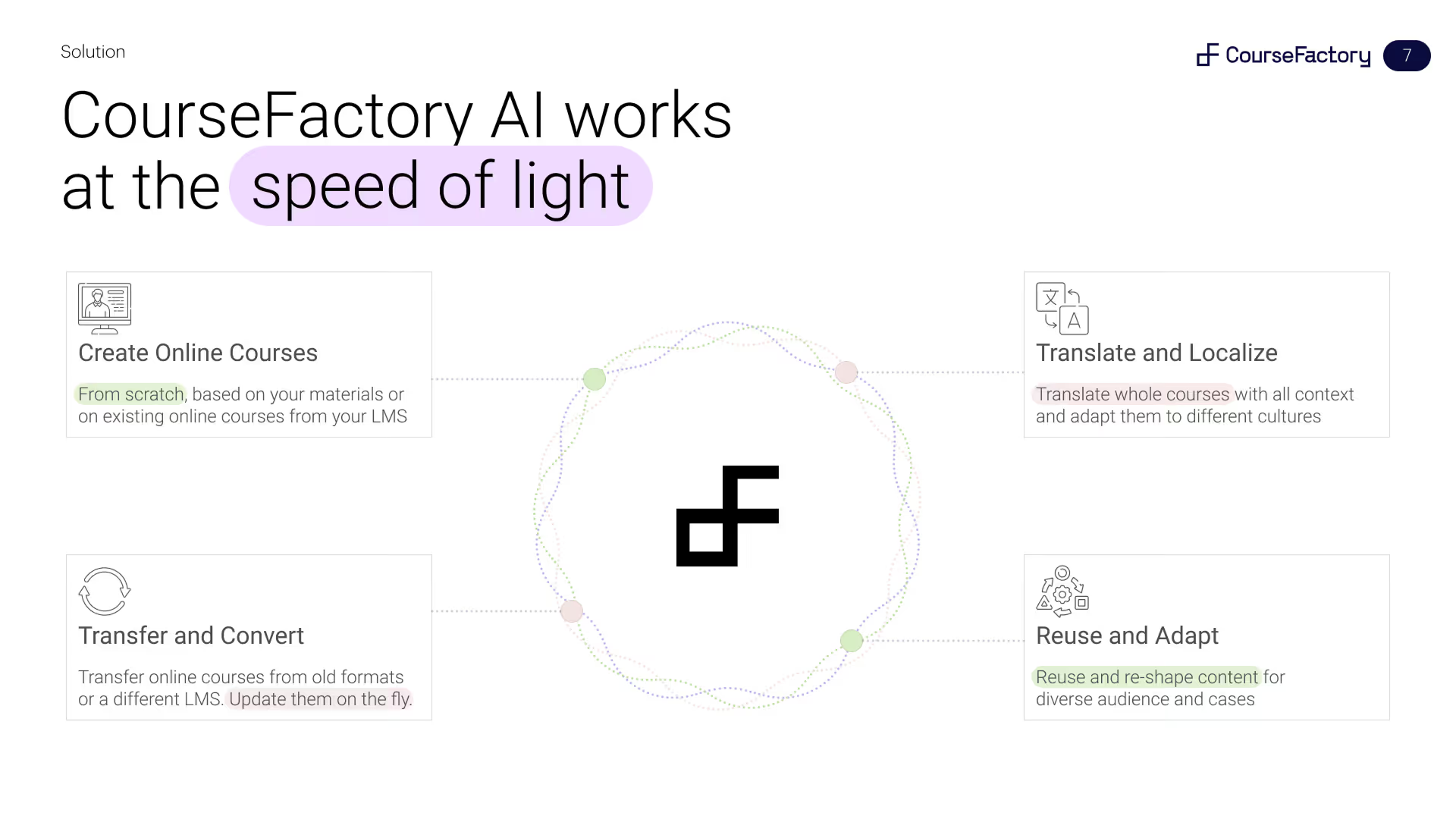
So that's the goal of the micro problem. problem is why why the problem happens and what is the impact on what is the impact on sorry I'm trying to I'm feeling yes as I'm doing this and was the impact on on your ICP okay next the solution now the goal of the solution is to work super well with your problem right so what i mean by that is that you've presented here why and impact and so the solution should explain specifically how you solve the problem.
And then since you solve the problem, we don't have the negative impact. So you need to speak about the positive impact. What does it do for your ICP, for the person you solve the problem for, right? And so, for example, here, importantly, you really need to work together. So here we say, investing in real estate requires extensive knowledge and the complexity discourages potential buyers.
And then the solution, we use blockchain technology. we solve the problem to make investing in real estate as easy as ordering Uber. Here, it could be better. And for example, the way it could be better, we could have said here how much time, because it seems to be a time solution, how much time does it take to solve that specific problem? And then here, we can say how much faster it gets, right? Same thing here, right? Lucky bet simplifying the whole process, easy to deposit, easy to use, easy to cash out, right?
Now let's have a look at that example because I think they did a pretty good job also. Here they explained that embedded finance provider remain dependent on banks. And then here, but what we're missing here, here so you're following you should know what's missing you know is the fact that we don't see in the headline we don't see the impact on the ICP right why is it why does the problem that and then they embedded finance providers remain dependent on banks what's the big deal about it and it should be mentioned here in the headline. It is not. That's where it's bad. But then what I like is that it really worked together
here. Griffin is the purpose-built bank to power the embedded finance revolution. Again, what's good here is that it answered directly. What's bad is that you don't know why finance should be embedded. And why finance should be embedded should be explained somewhere here, where we can say, here when we speak about the context, like the opportunity of embedded finance.
And if I double click here, we should really say, embedded finance has an amazing potential of growth. However, today it's still dependent on bank. But and the reason why it's embedded on bank, we should explain it here. Then we should hear the solution. Now, let's sit on the solution. So takeaway here is your solution should explain how you solve the problem and the benefit for the users.
Then, let's speak about the product. The goal of the product is to show how it works. And here, I should put an asterisk here because it's not always needed specifically in a fetch that you're going to send to investors. If you're going to do a deck for due diligence, it might be needed but in general it's not always needed.
But here again, I put an asterisk on my asterisk because every pitch deck is a bit different. But I still want to explain it in case you might need it. and you might need it if you have a product that is a bit more complex to understand or if the way you solve the problem is not exactly clear right because that's the goal of the product explain how you solve how you solve um the problem a great example here is this you know uh penny line only one financial management uh and account software right like here this is what we do.
Look, right. It doesn't speak about the benefit. It doesn't think just what we do just to understand another thing, you know, that is nice is showing the workflow of how does it, how does it work for your, your ICP to go through your product and how does it, how does the ICP get to value? What's the process to get there, right? Another good thing is to dive deeper in the mechanics of your product.
So I think this is a great one. It's like novel matching process, rigorous measurement base, superior technical thing, you know, blah, blah, blah, blah, blah, blah, right? Like we speak about what's make our product good and unique so product you know i said it's going to be a lot of important things the product itself can sometimes be covered enough in the solution that you don't actually need this now let's speak about the business model now the business model is pretty straightforward is how do you make money?
Do you have a SaaS? Do you charge one time? You take percentage. Do you have a blend of revenue? How does it work? How does money get inside the company? So for example, here, this is an okay-ish example. It's like we can do B2C, B2B2C and B2B. It's like, okay, this is how, you know, we can do b2c b2b2c and b2b it's like okay this is how you know they could here the slide is a bit light in my opinion so they could go a little deeper about you know the percentage that they expect the type of pricing that they will have okay so in here
they put proven traction good but and this is the topic of another video but this slide could be a little bit more informative same for here right charge per onboarding recurring charge per active user for data and off good like i get what they're doing it could be a bit more clear this is an important slide and sometime it will be you'll be able to combine it uh with other slides i'll mention it when we wrap through that slide but bottom line here is as um as a vc it's important for me to understand how do you make money because that's the goal that i'm looking for you like
that's the goal i'm looking in your company it's like how this company gonna make money as how's the company gonna grow do they have a business model that can that can grow and be sustainable and that could help them reach the next level so really important slide now go to market strategy the go to market strategy again super important what do you do here the go to market strategy is to tell the investor hey this is how i'm gonna get customers right and here what i wrote is like we're going to reach our market by doing x so
what are you what are the initiative what are the product dynamic that you're going to have what are the strategy that you have to grow and also in what sequence do you gonna go to different ICPs right there's probably multiple people that want to that can use your product who is the one that is the best to to accelerate your growth right now and in the future so for example here seven percent then percent organic growth in b2c and expanding to providers like it was like yeah yeah, like, hey, they do.
And this is where sometime you can have your go-to-market mixed with your business model, right? But here they say that they're going to go to B2C providers, they're going to go to B2c providers um to they're going to go to b2c and expanding to providers which is you know they explain how you know they accomplish their first three million like that by doing this and then they're going to go to providers so in this case this could be considered as a go-to market strategy and a business model and to be honest
the key of making a patch tag is the ability to mix slides together when it makes sense and to to aggregate slide right together this is not super easy to do but if you see that there's topic that overlap and that it makes sense to combine them you should do that something Something that I like here also, there's a lot of problem about that slide, but I like how it explains the growth loop.
We attract users, we activate users, we thank users, users with UGC which attract new users. It explained there, not like, hey, we're going to use social media. Like, hey, everybody can do that. What is the unique thing that you're going to do to grow? And this here, this mechanics here, what they've done here is pretty unique to them.
So here, you should explain what... And the thing is, if you're like, oh, but I don't have a... I don't know what to put on that slide. We don't have a pitch deck slide. You have a go-to-market slide. How you're going to go to market is the problem that you currently have.
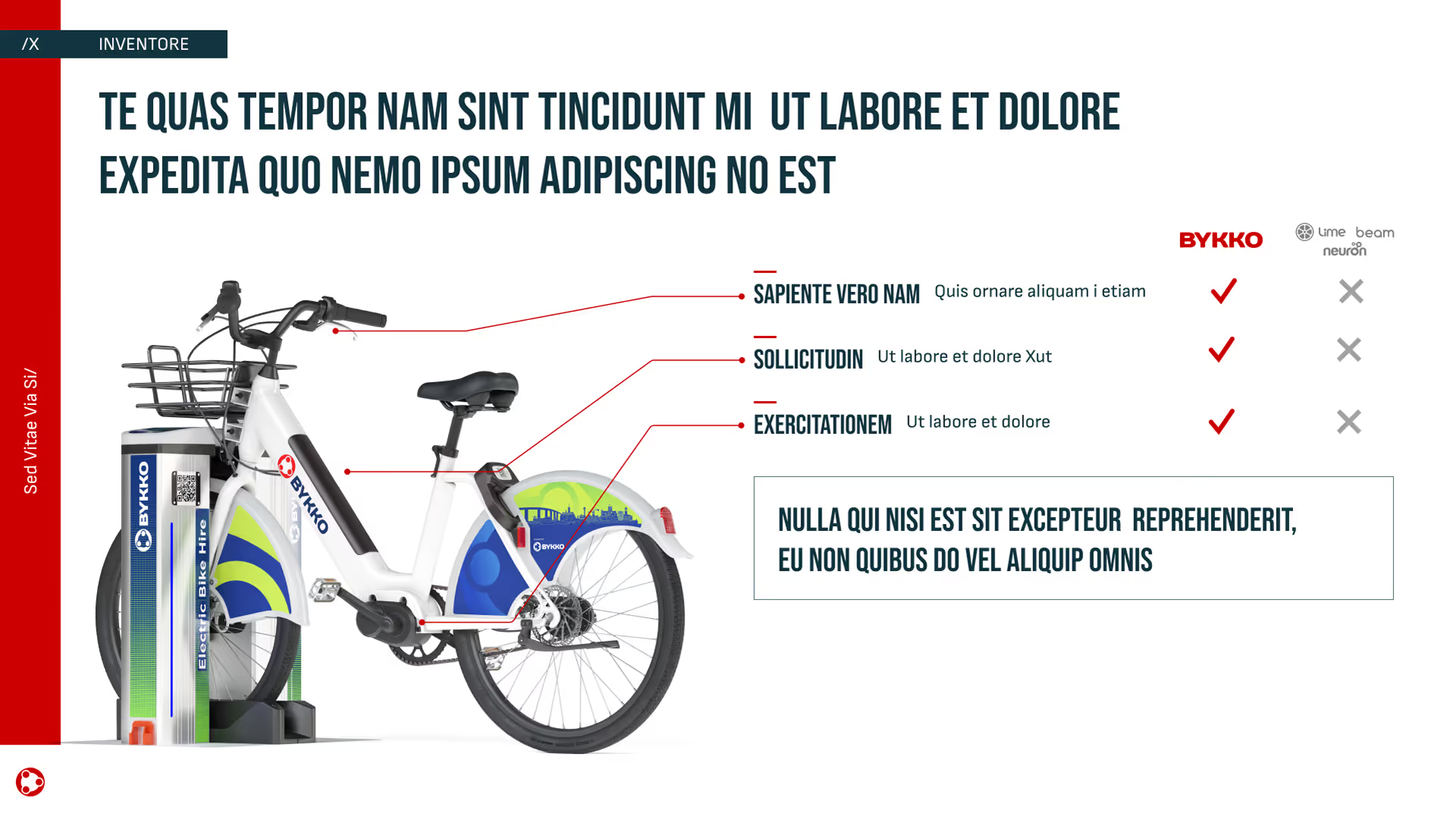
Anyway, let's move to the next slide, the traction. My bad, the competition. So this is an easy slide to fuck up, but this is also an easy slide to do. So good news. What is the goal of the competition? So the goal of the competition slide is to do two things. To show that you are the best at delivering something to your ICP, the best solution for your ICP, that you have a unique advantage that you deliver better to your ICP, and that on those different items, you have on what, on the different unique things that you deliver to your ICP,
you are unique. Those are the most important thing, you're unique and defensible. So let's have a look, right? Here, I've heard people say, oh, you don't want to use the table model, blah, blah. No, it's not a problem to use the table model. But what's the problem is here, modern SaaS experience. What the fuck do I care about modern SaaS experience, right? our platform offers the best developer experience by enabling engineer to start building and testing for free like what the fuck do I care right and here what you should really put this what are the
things that my customer care for like they want you know they want speed like be be clear right like hey to achieve the task you know if speed is the thing we take 10 minutes and they take 10 hours boom it's super clear right um full stack and again full stack right We developed a suite of added value product to address needs and cover the complete user journey.
That's okay. That's okay. I think that's okay, right? But here there's a copywriting problem. But let's say that they said, you know, they had a better copywriting. That's cool, right? Like, you know, our dev needs all of those things and dev need all of those things and they only provide those two right good right why not now what they should have done and that's so that's the first point right it need to show that you're delivering a better product experience and that this this those are the things that your ICp actually care which you're doing here
and the second thing which they're not doing is how they protect that what is so hard about building this right what is speciality and this is what is missing here they should indicate why what what they're currently doing is protectable and unique why our friends here the confidential people they could not build this You always you know, and it's not an easy answer is not an easy answer But this is definitely something you should work. You should work on because this is definitely something investor will ask you
Same point Same point here. I'll just cover one one. This is not so great, but gamified. Why is it important that it's gamified? Who cares if it's gamified? Do your client care if it's gamified? What does gamification help you? Gamification help you to have people stay longer on the app. So maybe this is what you should put, time spent on the app.
Okay, hard to get data for this. I agree. But this is what you should think about when you do that, right? Okay, that's it for competition. As a summary, just to make sure I'm clear, the competition slide should answer two questions. Why do you deliver a better experience than anyone else? And how anyone else won't be able to do what you do? Let's now speak about traction.
So there's a whole episode to do about traction. Traction is a huge topic, right? I mean, any of those is a huge topic. Think of traction as proving that your shit works, right? Proving that your solution actually solve a problem that people are ready to pay for and so here it can be translated into revenue because if you have fast-growing revenue it means that a lot of people were ready to buy your solution to solve the problem that they had and your traction is going up super straight meaning that you a lot of
people agree that your shit is right and you don't have any problem acquiring your client and meaning you have great traction and this is the component of traction right like traction means that traction is kind of the summary that says like yeah this shit is working. And so here, again, there's no rule.
This startup decided to make this slide about it. This is often true when you're later stage. This startup is later stage. If you're earlier stage, yes, you can show women love us. So the press. So does the press. the press anyway, but um It's good, but don't like don't forget that The most important thing is Not your follower base like what I care about is how much money that you make right? Can our people actually buying it? Is the most important thing.
So if this startup had revenue, I would have said like, hey, let's put the revenue here. Like, yes, social is great. But if you cannot convert to social, who cares, right? And those are more like this one, right? right again there's a whole topic about this to be covered uh because there's a lot of different type of traction uh bottom line is you should put on this slide anything that prove anything that prove that your company has a solution that people are ready to buy and that's it now let's jump to the market
the market the goal of this slide is very simple is i have a big market i can grow enough and the reason why it's important is as as As a startup, you need to have a big market because you need people to grow fast. And so here, not only you need to show that the market is big, but it's also growing.
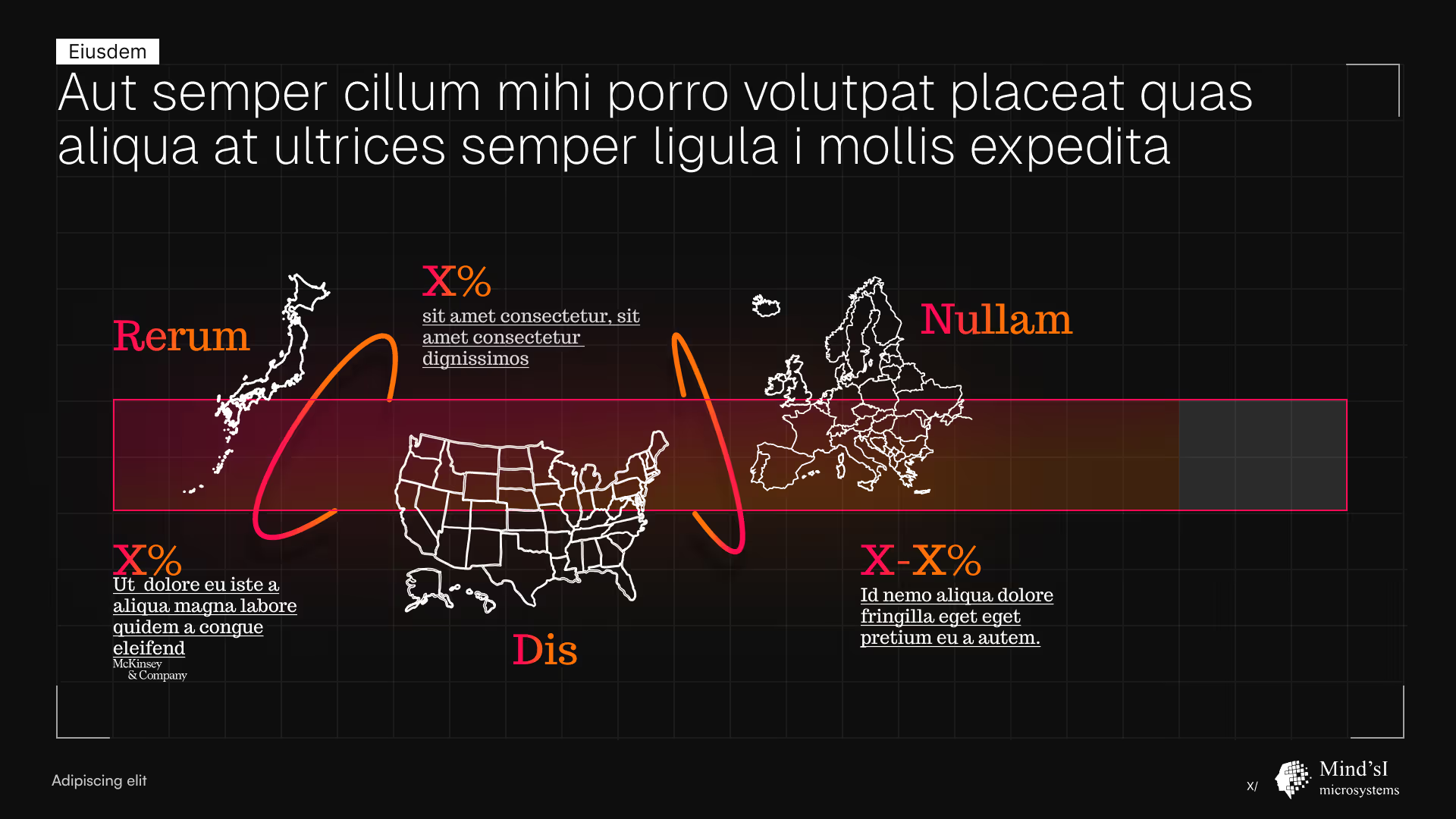
So let's have a look at a few examples. Something that I often see is market, you know, market like that, which are good, right? Because the most important thing here, it's hard to go super wrong on your market uh because here um creating um creating a 3.8 billion market by targeting the 20 you know the xyz blah blah blah blah blah blah i think that's great right because it tells you you know it tells you where are we starting we're starting with the east asian market okay so that's what we have here and then we'll expand and we see that the market here is big.
That's enough. The market is big. Do you really need to have TAM, SAM, SUM? It's not bad to have. Is it a necessity? Not particularly. And here we have the same thing. We have 210 million, blah blah blah. Like hey, this market is big boom right and this is what you want to convince about right here someone completely removed the idea of having um having uh having them some summer just like hey this is the amount of transaction in the market wow it's really big right this is the amount of profitability right you want to show that the market is juicy here and just to show you that there's no rule there's no particular there's no particular slide
that you need to try to fit to the only thing that you need to keep in mind and this is true for everything that I said it's like what should this light answer and this slide should answer this market is slide should answer, this market is big. So here, you can say, hey, this is big. And here they say, it's big today.
And here again, the design, I think, could use some work. But the market is big. And tomorrow, it's going to be bigger. Here we say, hey, look. Well, here the problem is that there's too much shit. And so I'm looking at this i'm like so many numbers um again this is a bit of a different topic since you're here i'll be nice uh this is too much right i'm trying to look at this i'm like and plus there's no headline so keep it you know keep it readable and and don't overload the slide right and yeah that's that's about it now the team slide so the team
side again what's the goal the goal is to show that you're the best person and that your team is the best team to solve the problem you're solving and so to do that you need to show that you have a specific understanding of the problem that you're trying to solve. That's it. So this guy here for the betting company, he already worked in this, which was something in betting.
And this was in finance, right? This was also identity check, which are required if you want to do betting right and his specific case he had the larger team and he had you know a lot of about himself right so we created you know in this case this is something that we created we created a second slide for that right um here and this is a bad example right because you look at this, our team of 20 is already set.
And I'm looking at those guys and I'm like, I could not answer the goal of that slide, which is why should I care about those guys? I don't know. I see those logo, but hey, an internship at Google and onDeck, which is kind of a paid subscription, is not the same shit as being the chief of marketing of Google, right? So that doesn't work because I don't know what they have done, right? Here it's better, 32 years in tech companies, Microsoft VP and serial entrepreneur.
But here again, like you're my friend my friend David you are a serial entrepreneur then tell me all about your Siri right like what have you done exactly and what have you done that relates exactly with what you do at Hive is not clear here in same thing for here right same thing here like logos are nice but I don't exactly know what you're doing so here second entrepreneur founder about same thing here right so oh shit no but really if you each individual should have two three bullet point that explain
specifically what they have done what they have done that connects with what they're currently doing how can you show the past to assure the future wow i'm a poet today um anyway uh that's about the team side and now to finish with the ask line so i'm sure you'd be wondering what is the goal of the ask slide and I'd say good question the goal of the ask slide is to explain what and this is the big mistake that often seems like oh we want to raise X I don't give a shit that you want to raise X I don't give a
shit I mean I do but it's not what I care the most what I care the most is at the end of the day what are you trying to achieve? Right. Let's imagine that your seed. What you're trying to achieve is to reach Series A. And so I want to know what milestone do you have to reach Series A? We want to reach one million in revenue.
Right. And this is what you want to say. We are here. I have it. We're raising X to do what right so here we want to raise three million oh this is this is bad right to like we don't really care like valuation do you should we have valuation here not necessarily let me find a better example right well there is no better example but really what you should have is we are raising X to achieve Y right and so here not so bad but the valuation it's not a bad idea to have it here but I don't care so much
right and here okay this is another mistake right we have we want 40% for the team but what does the team gonna do right so so as a conclusion here because I you know somehow didn't bring some good example again here we're raising 10 million as there's a for what you know what do you want to achieve with that right I don't care we wish what you should say is I'm raising look at how convincing I'm going to be.
My goal is to reach $1 million in ARR in the next 18 months. To do that, I need to make my product more scalable. And for this, I need $300,000. And then I need to build a marketing team to do more social. I need to build a marketing team to do more social. And for this, I need 500,000, which is two full-time people working on this and this.
Boom, right? And this, you know, like, oh, he wants to raise 800K. And I understand how he's going to spend the money and how does the money relate to the target right like if you want to generate more revenue well you gotta do more marketing right uh if you want to expand your your product to create more revenue you'll have to have a tag team right that's the thing that's it hope you've enjoyed it if you have any questions please drop it down below
You might also like: